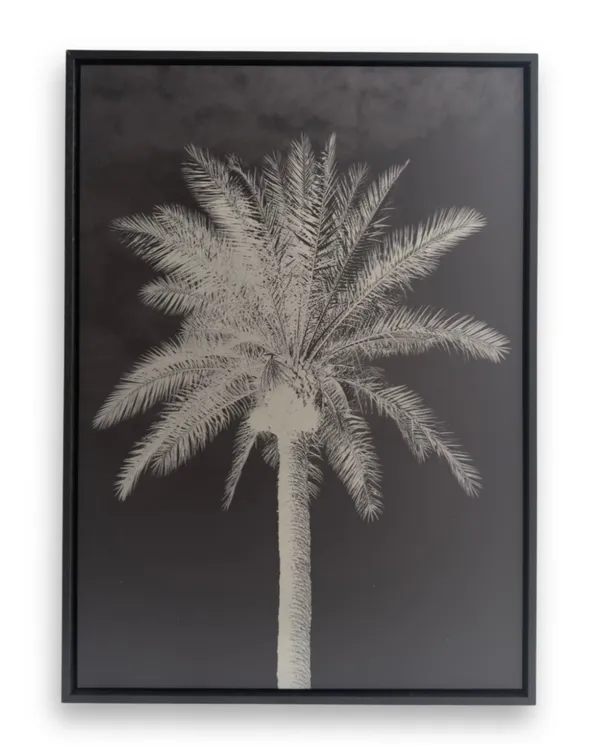
Palma: The Conference of the Palm Trees: Mehdi-Georges Lahlou
Current exhibition
Communiqué de presse
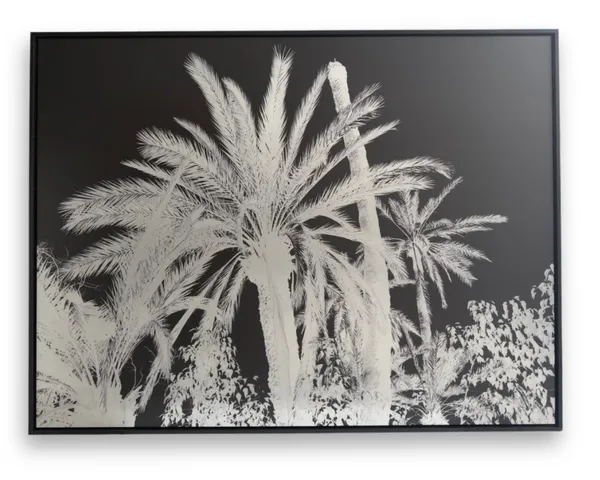
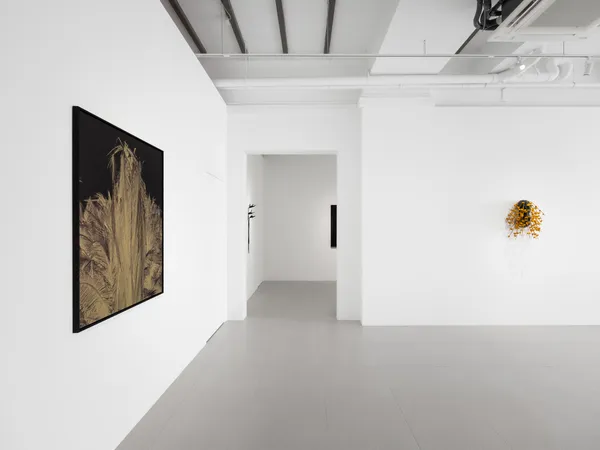
This exhibition marks the first presentation in Singapore and Asia of Mehdi-Georges Lahlou, French and Moroccan artist, whose multidisciplinary practice spans drawing, sculpture, installation, photography, and performance, curated by Virginie Puertolas-Syn. Over the past two decade, Mehdi-Georges Lahlou has developed an uncompromising and poetic artistic language concerned with questions of identity, hybridity, belief systems, and the politics of representation. For this inaugural presentation at Cuturi Gallery, he introduces The Conference of the Palm Trees, a body of work previously shown in international institutions, art galleries and art foundations, now recontextualized within the specific cultural, historical, and ecological landscape of Singapore.
The Conference of the Palm Trees takes its conceptual point of departure from The Conference of the Birds, the seminal 12th-century Sufi text by the Persian mystic poet Farid ud-Din Attar. In Attar’s allegory, birds from across the world embark on a spiritual journey in search of the Simurgh, a mythical sovereign who ultimately reveals itself as the collective reflection of the seekers. The poem addresses enduring human concerns: spiritual doubt, desire, exile, fear, and the tension between individual ambition and collective responsibility.
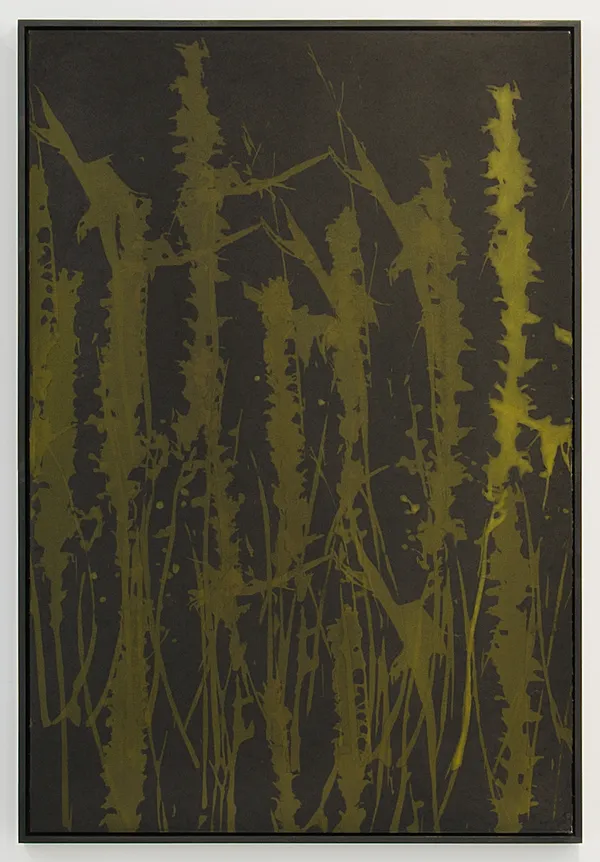
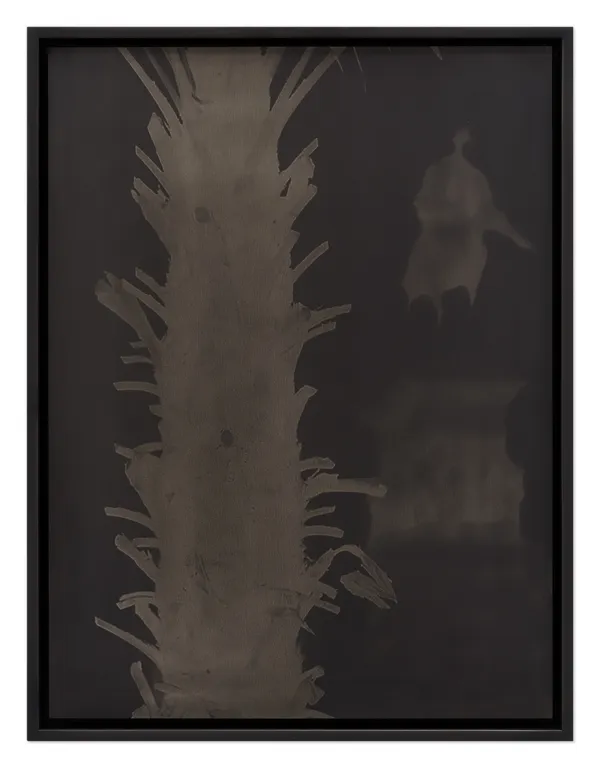
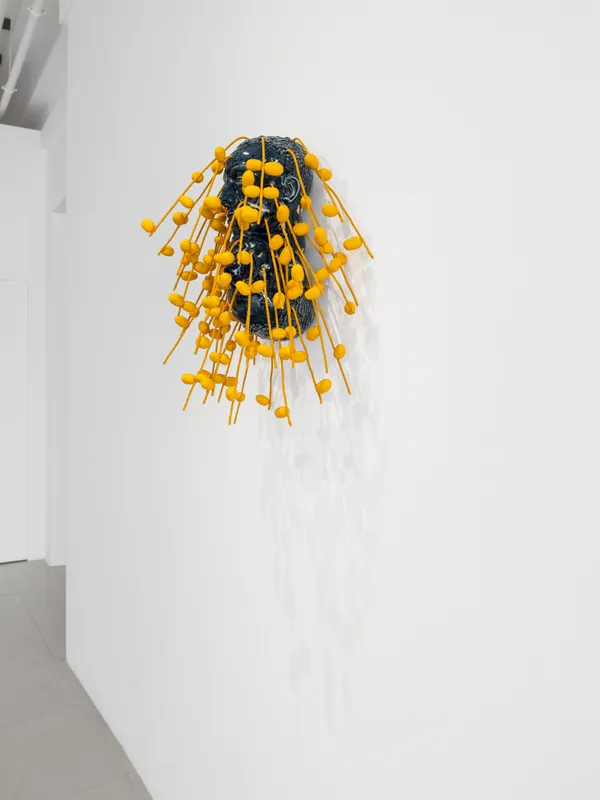
Across drawings, sculptures, photographic works, and installations, Mehdi-Georges Lahlou constructs a multidisciplinary field of inquiry that resists definitive interpretation. His practice does not seek to resolve the questions it raises. Instead, it operates through displacement, ambiguity, and poetic tension. The artist consistently challenges accepted perceptions, expanding the symbolic and conceptual scope of familiar forms. In doing so, he encourages viewers to reconsider what appears self-evident and to reflect on the unseen histories embedded within everyday environments.
Mehdi-Georges Lahlou’s work resonates through this productive friction: palms as icons of tropical modernity re-read as witnesses to fragile ecosystems and contested histories. In this tension lies the exhibition’s critical force—an invitation to attend more carefully to the silent narratives rooted within the landscapes we inhabit.
Palma: The Conference of the Palm Trees will be on view at Cuturi Gallery, Singapore, from 7 March to 9 May 2026.
–Exert of the Exhibition Essay by Curator Virginie Puertolas-Syn
Vues de l'exposition




Œuvres
-
 Mehdi-Georges Lahlou, Still Life, 2026
 -
Mehdi-Georges Lahlou, Still Life, 2026
-
Mehdi-Georges Lahlou, Still Life, 2026
-
Mehdi-Georges Lahlou, Still Life, 2026
-
Mehdi-Georges Lahlou, Still Life, 2026
-
Mehdi-Georges Lahlou, Fond Paradisiaque (Paradisiac Background) , 2023
-
Mehdi-Georges Lahlou, Fond Paradisiaque (Paradisiac Background) , 2023
-
Mehdi-Georges Lahlou, Nature Morte , 2022
-
Mehdi-Georges Lahlou, Nature Morte , 2024
-
Mehdi-Georges Lahlou, Oiseau Du Paradis, 2023
-
Mehdi-Georges Lahlou, Strobilus, 2024
-
Mehdi-Georges Lahlou, Of the Conference of the Palm Trees – Date Tree, 2026
-
Mehdi-Georges Lahlou, Petit Rameau, 2022
-
Mehdi-Georges Lahlou, Still Life, 2026
-
Mehdi-Georges Lahlou, Still Life, 2026
-
Mehdi-Georges Lahlou, Still Life, 2026
-
Mehdi-Georges Lahlou, Of the Conference of the Birds – Birds of Paradise, 2026
-
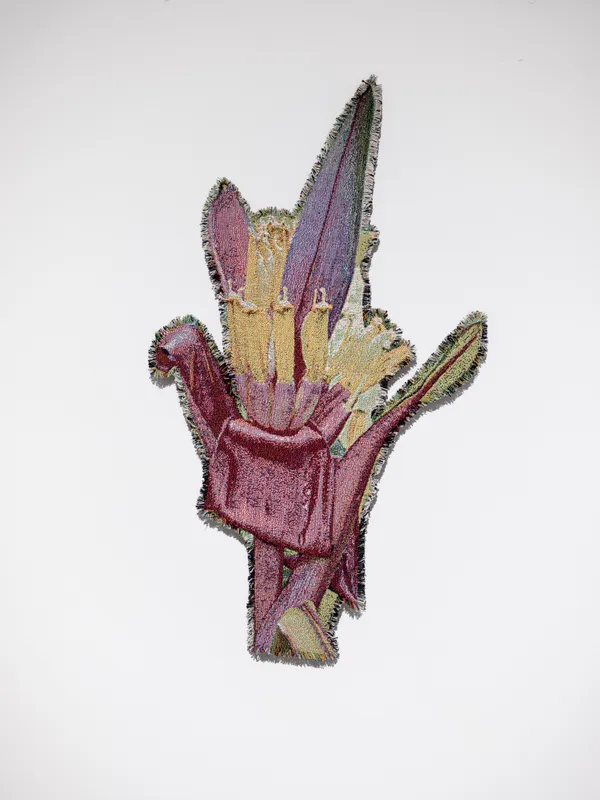
Mehdi-Georges Lahlou, Of the Conference of the Birds – Banana Flower, 2026
-
Mehdi-Georges Lahlou, Of the Conference of the Birds – Birds of Paradise, 2026
-
Mehdi-Georges Lahlou, Of the Conference of the Birds – Banana Flower, 2026
-
Mehdi-Georges Lahlou, Of the Conference of the Birds – Birds of Paradise, 2026