Professor Khoo Peng Beng sheds light on what “superdiversity” means to him and why the Singapore Pavilion at the Venice Biennale 2025 chose a dining table as its anchoring motif.
For decades, Singapore has been held up as a model of multiculturalism. But as its population becomes ever more layered—shaped by migration, intermarriage and the everyday exchange of cultures—that familiar description no longer feels sufficient. The city’s identity is better understood through the lens of superdiversity: a condition in which differences are not neatly contained within ethnic or religious categories, but overlap, evolve and find expression in ordinary moments, from sharing a hawker table to greeting neighbours in the lift lobby.
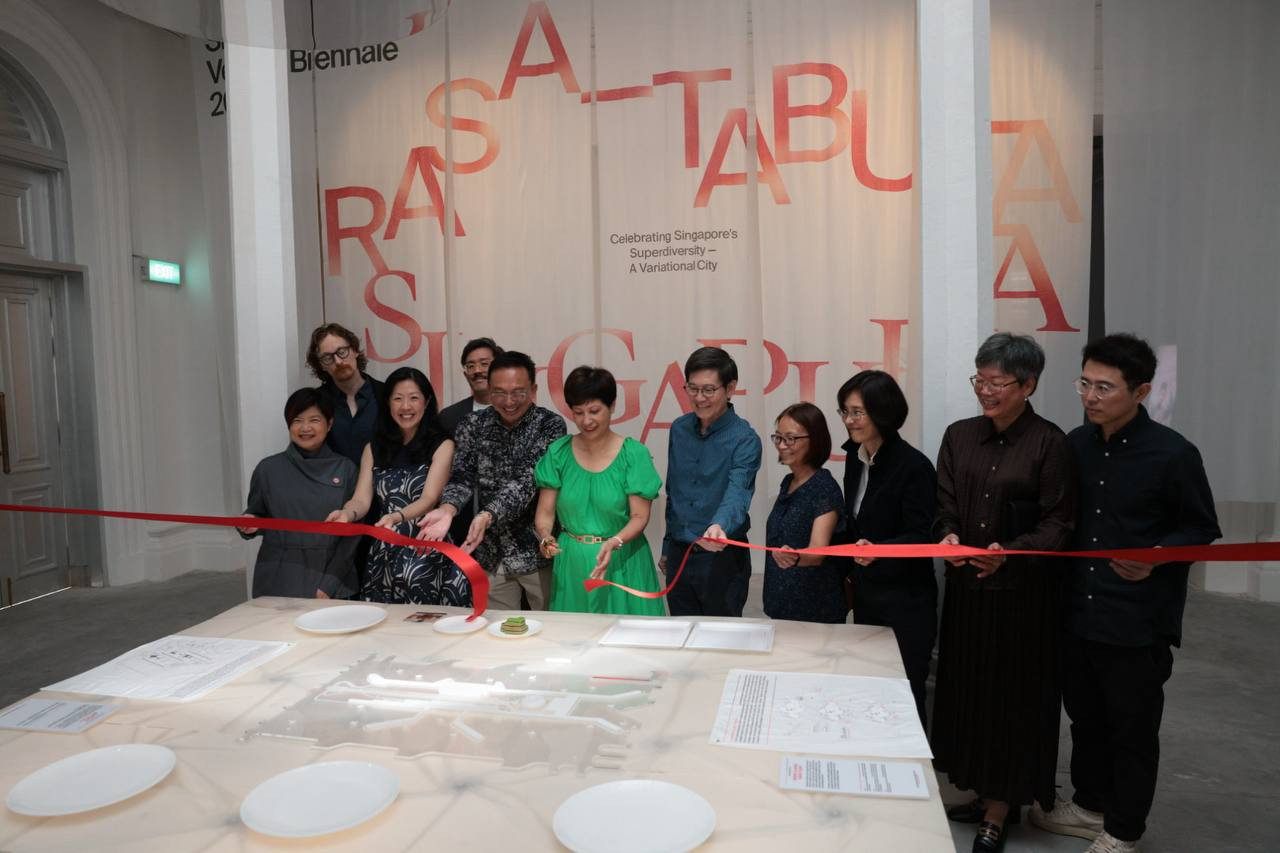
It is this idea that underpins Rasa-Tabula-Singapura, first showcased at the Singapore Pavilion at Venice Biennale 2025. Now on exhibition at the National Museum of Singapore until August 2, Rasa-Tabula-Singapura was co-curated by Professor Khoo Peng Beng, Head of the Architecture and Sustainable Design Pillar at the Singapore University of Technology and Design (SUTD).
Above From left to right: Yap Lay Bee, Co-commissioner, URA; Associate Professor Sam Conrad Joyce, SUTD; Dawn Lim, Co-commissioner, Dsg; Dr Jason Lim, Curator; Professor Khoo Peng Beng, Lead Curator, SUTD; Minister Indranee Rajah; Lim Eng Hwee, CEO, URA; Adele Tan, Chief Planner, URA; Chang Hwee Nee, CEO, NHB; Chung May Khuen, Director, NMS; Assistant Professor Immanuel Koh, SUTD
The name “Rasa-Tabula-Singapura” is a multi-layered one and a nod to the idea of superdiversity it aims to put forth. “Tabula rasa” and “tabula” mean “blank slate” and “table” in Latin, respectively, while “rasa” is Malay for “taste” and “Singapura” is “Lion City” in Sanskrit.
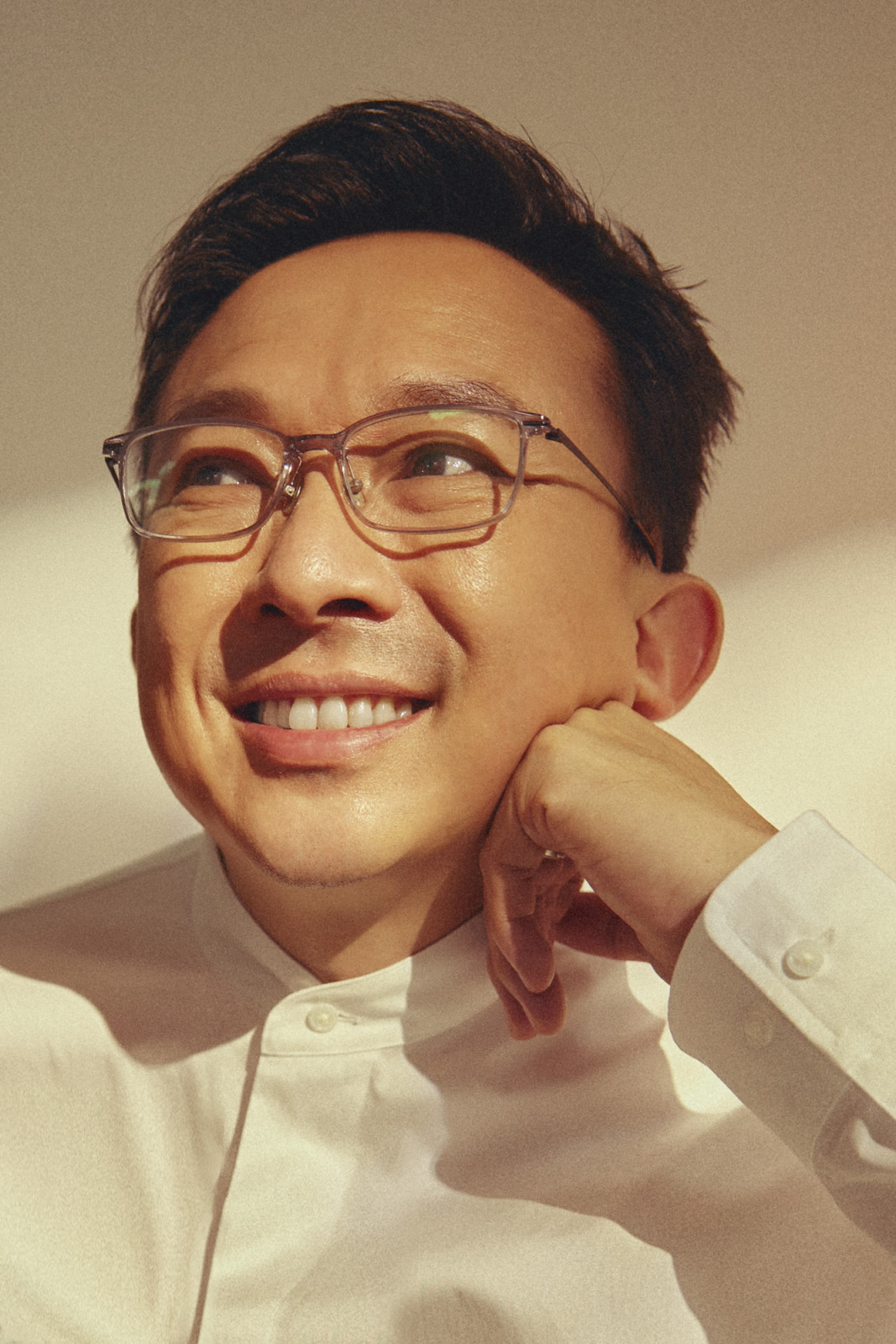
Above SUTD’s Professor Khoo Peng Beng tells Tatler Homes Singapore what superdiversity means to him, and what excites him the most about the homecoming exhibition of Rasa-Tabula-Singapura
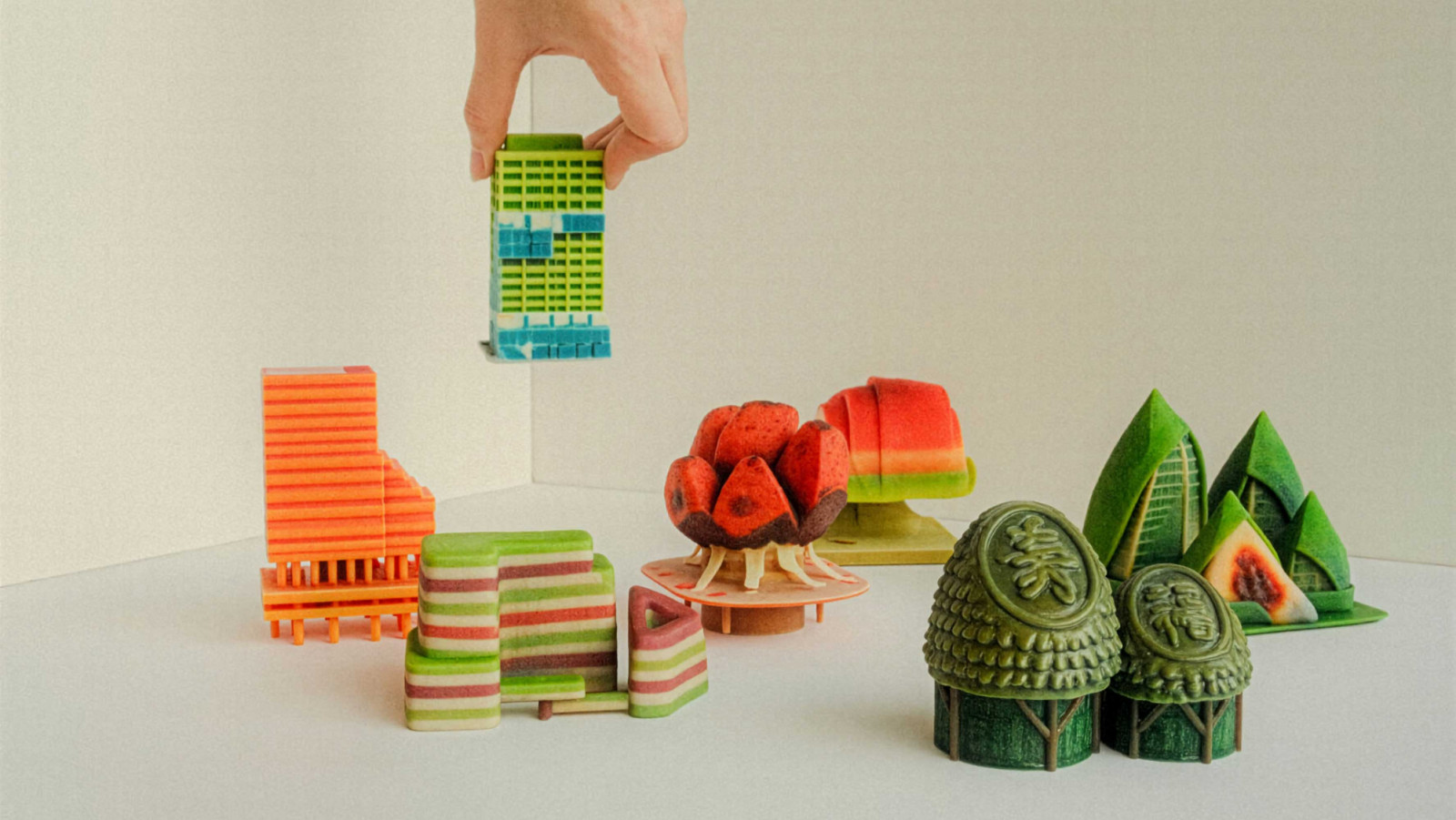
The exhibition, designed by Yume Architects, argues that Singapore’s greatest design achievement is not simply its skyline or urban planning, but its ability to create the conditions for coexistence. Through a monumental communal dining table, architectural models and speculative design objects, the pavilion invites visitors to reconsider the invisible frameworks—from HDB void decks to five-foot ways—that have helped shape one of the world’s most distinctive urban cultures. In conversation with Tatler Homes Singapore, Khoo reflects on why Singapore’s superdiversity deserves to be recognised not merely as a social phenomenon, but as a design legacy with lessons for cities around the world.
“What I’m most looking forward to is the conversations the pavilion will spark with people who didn’t expect to be moved by a Singapore planning exhibition. I want visitors, wherever they come from, to stand at that table and ask themselves: what would it look like if my city took coexistence this seriously? That question, planted in someone’s mind as they walk back out into the light of the Arsenale or back home at the National Museum, is the best thing the pavilion could do,” says Khoo.
Above A 12m-long table made from resin-strengthened cloth, referencing the work of Frei Otto and Heinz Isler, anchors the exhibit designed by Yume architects